Healing from emotionally painful relationships rarely happens all at once. It’s a quiet, often invisible process—one that can take years, even decades. Even when we know someone disrupts our peace or diminishes our worth, we may find ourselves drawn back—hoping, deep down, that this time might be different.
We’re seeking something beautiful: kindness, connection, recognition.
But too often, we’re met with disappointment—neglect, criticism, or even cruelty.
And each return chips away at our sense of self.
But too often, we’re met with disappointment—neglect, criticism, or even cruelty.
And each return chips away at our sense of self.
What Is Repetition Compulsion?
There’s a name for this deeply human pattern: repetition compulsion.
It’s the brain’s way of trying to make sense of earlier emotional injuries by returning to familiar scenarios—this time, hoping for a different outcome.
It’s the brain’s way of trying to make sense of earlier emotional injuries by returning to familiar scenarios—this time, hoping for a different outcome.
This may feel frustrating or self-defeating, but it’s not a flaw. It’s a survival strategy.
The brain, in all its complexity and power, isn't sabotaging us—it returns to what’s familiar because it’s familiar - even if it comes with pain. These patterns aren’t born of confusion, but of an ingrained unhealthy loyalty. They are deeply entrenched, often stemming from childhood.
Understanding this allows us to meet these patterns not with shame, but with compassion—for how hard the brain has worked to make sense of and developing according to its environment, and how bravely we are now learning to choose new paths.
Why We Keep Hoping
When love was once tied to pain, our nervous system may confuse familiarity with safety. We go back, not because we don’t understand what’s happening, but because a tender part of us still believes that if we try hard enough, it might finally feel different.
We keep hoping that maybe they’ll see our value and truly love us.
This longing isn’t shameful.
It’s proof of your capacity to love.
It’s proof of your capacity to love.
Sometimes we pour ourselves into relationships, hoping someone will finally offer the warmth, steadiness, or nurturing we’ve always deserved.
This isn't naïve. It's courageous.
This isn't naïve. It's courageous.
The Grief Beneath the Pattern
Often, just below the surface, there's a quiet refusal to fully acknowledge the truth—not because we're in denial, but because admitting it might break our hearts.
There’s fear that grieving what never was will leave us truly alone.
So we keep reaching.
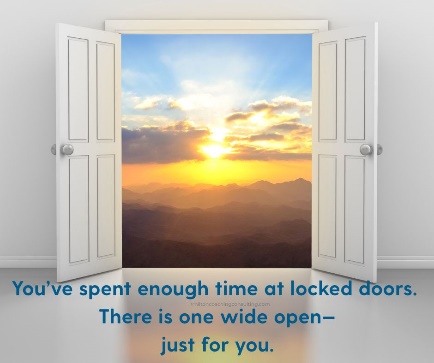
Knocking on doors that stay closed.
Still clinging to the dream of being fully seen and deeply loved.
So we keep reaching.
Knocking on doors that stay closed.
Still clinging to the dream of being fully seen and deeply loved.
Until, one day, the ache gently nudges us to stop.
To breathe.
And to begin facing forward.
To breathe.
And to begin facing forward.
When Enough Is Enough
Not everyone we care for can offer the love we need.
That doesn’t make them cruel. It just means their emotional capacity doesn’t align with ours.
That doesn’t make them cruel. It just means their emotional capacity doesn’t align with ours.
If someone leaves you anxious, diminished, or doubting yourself—it may be time to gently ask:
“Is this connection nurturing my healing?”
“Is this connection nurturing my healing?”
The truth is: some people simply aren’t our emotional people.
Even if they’re bound to us by blood, history, or longing, they may not be able to meet us with compassion, clarity, or care.
And recognizing this isn’t giving up—it’s waking up.
What Healing Can Look Like
Healing isn’t always dramatic.
Often, it starts with small, sacred shifts:
Often, it starts with small, sacred shifts:
Turning away from the fire. You no longer owe your story to those who cannot hold it.
Building tender boundaries. Boundaries aren’t barriers—they’re bridges to self-respect. When we respect ourselves, we won’t tolerate mistreatment of any kind.
Seeking safe spaces. In therapy, in friendship, in spirituality, in the quiet voice of your wiser self.
Letting go of fantasy. Not to punish them, but to free yourself.
You don’t have to cut everyone out.
But you do have to stop handing your heart to those who keep dropping it – if you want to heal.
But you do have to stop handing your heart to those who keep dropping it – if you want to heal.
You Are Not Broken
There is nothing wrong with wanting love.
There is so much right with choosing peace.
There is so much right with choosing peace.
Let this be the moment you stop knocking on locked doors—and begin building your own.
One that opens into safety.
One that welcomes joy.
One where you are finally, fully home.
One that welcomes joy.
One where you are finally, fully home.